Most people know acupuncture as something you turn to for back pain or a stiff shoulder. Fewer know that it also has a long history of supporting mental and emotional well-being. Interest in this side of acupuncture has been growing as more people look for ways to manage everyday stress, anxiety, and sleep issues alongside their other care.
If you’re curious about acupuncture and mental health and considering a visit to a clinic, here’s a look at what acupuncture for mental health can offer, what the research says, and what to expect from an initial appointment.
How Acupuncture Can Support Mental and Emotional Health
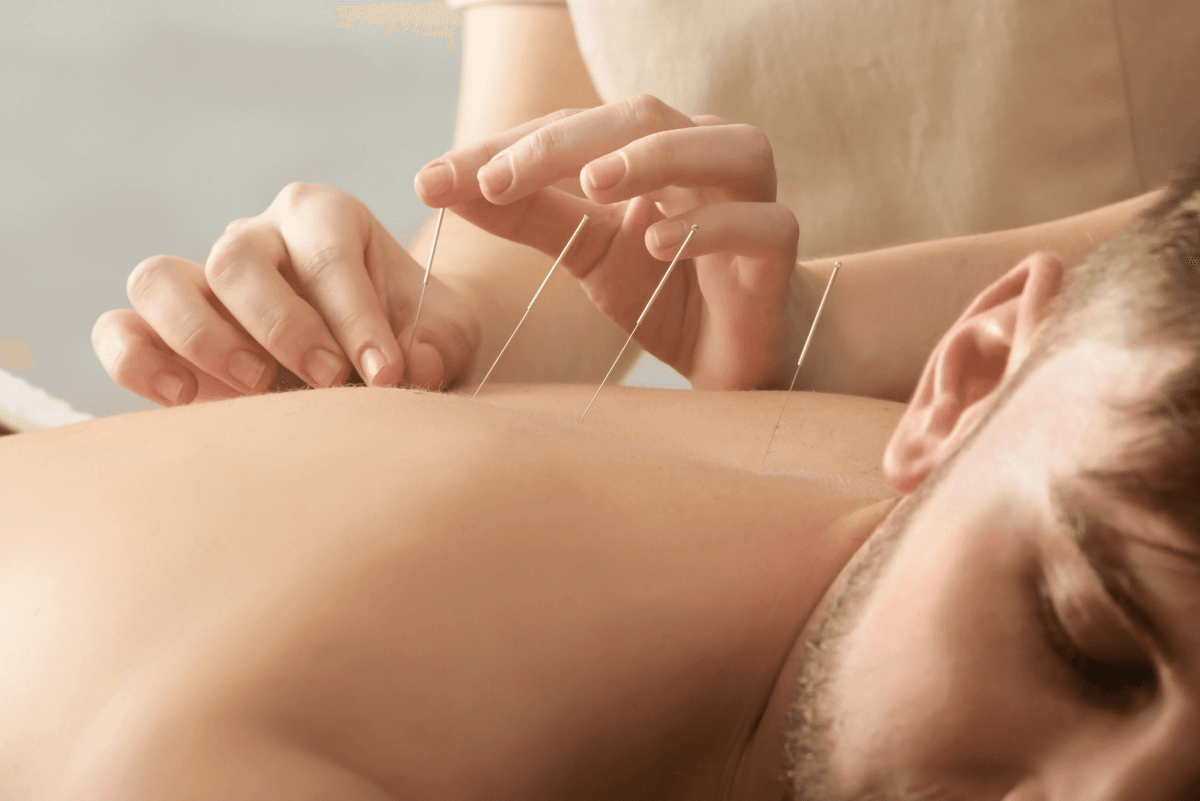
Acupuncture works by inserting very fine needles at specific points on the body. Many people describe the experience as calming. From a biomedical perspective, acupuncture influences the nervous system in ways that support the body’s stress response, and researchers are increasingly interested in a related idea: that acupuncture may also affect mood and emotional regulation through its effects on the gut.
This is sometimes called the gut-brain connection, and it reflects something scientists are still actively studying. Early findings are showing acupuncture to:
- Shift the balance of the gut bacteria
- Reduce inflammatory signalling and dampen pathways that link gut inflammation to mood
- Modulate neuroactive metabolites and neurotransmitter systems, including tryptophan/serotonin pathways, GABAergic synapses, and neuroactive lipids like sphingosine-1-phosphate (S1P)
Research suggests acupuncture may support a healthier gut environment, and that a healthier gut may be linked to a more stable mood and lower stress. While much of this evidence is still preclinical (animal studies), it offers a plausible biological story for why people often feel calmer, sleep better, and notice shifts in anxiety after a course of treatments.
Absolutely would recommend CITCM. Receiving regular acupuncture treatments from Tahira and Josh has eased my symptoms and has helped me manage daily stressors. I enjoy the teaching environment as I appreciate learning more about the modality as well. — Kelsey S.
The TCM View: Mind, Body, and Digestion as One System
Traditional Chinese Medicine (TCM) has never treated the mind as separate from the rest of the body. In TCM, digestion, sleep, energy, and emotional well-being are all seen as connected parts of the same system, and a TCM-trained practitioner will typically ask about all of these areas, not just the specific concern that brought you into their clinic.
Key TCM concepts that map onto modern gut-brain ideas include:
- Shen (spirit): Shen is “housed” in the Heart and shows up as mental clarity, emotional stability, and sleep quality. When Shen is disturbed, people may experience anxiety, insomnia, palpitations, and mood swings.
- Speen/Stomach and Liver-Qi: Digestive function and the smoother flow of Qi are closely tied to emotional regulation. Patterns like “Heart-Shen disturbance with spleen deficiency” or “Liver-Qi stagnation” often present with both gut systems (bloating, irregular bowels, appetite changes) and mental-emotional symptoms (worry, irritability, low mood).
If you mention trouble sleeping or a knot of anxiety, don’t be surprised if you’re also asked about your appetite, energy levels, or your digestion. It’s often part of the same larger picture in TCM and, increasingly, in modern gut-brain research as well.
This whole-person approach is part of what draws people to acupuncture in the first place. Rather than treating a single symptom in isolation, the goal is to support the body’s overall balance in a way that complements the other care you may already be receiving.
Ready to explore acupuncture for stress, anxiety, or sleep?
If you’re curious about how acupuncture might fit into your mental health care, you can book an appointment at the CITCM Student Clinic in Calgary. Our supervised student practitioners offer thoughtful, whole-person treatments at an accessible price.
What a Visit to the CITCM Student Clinic Looks Like
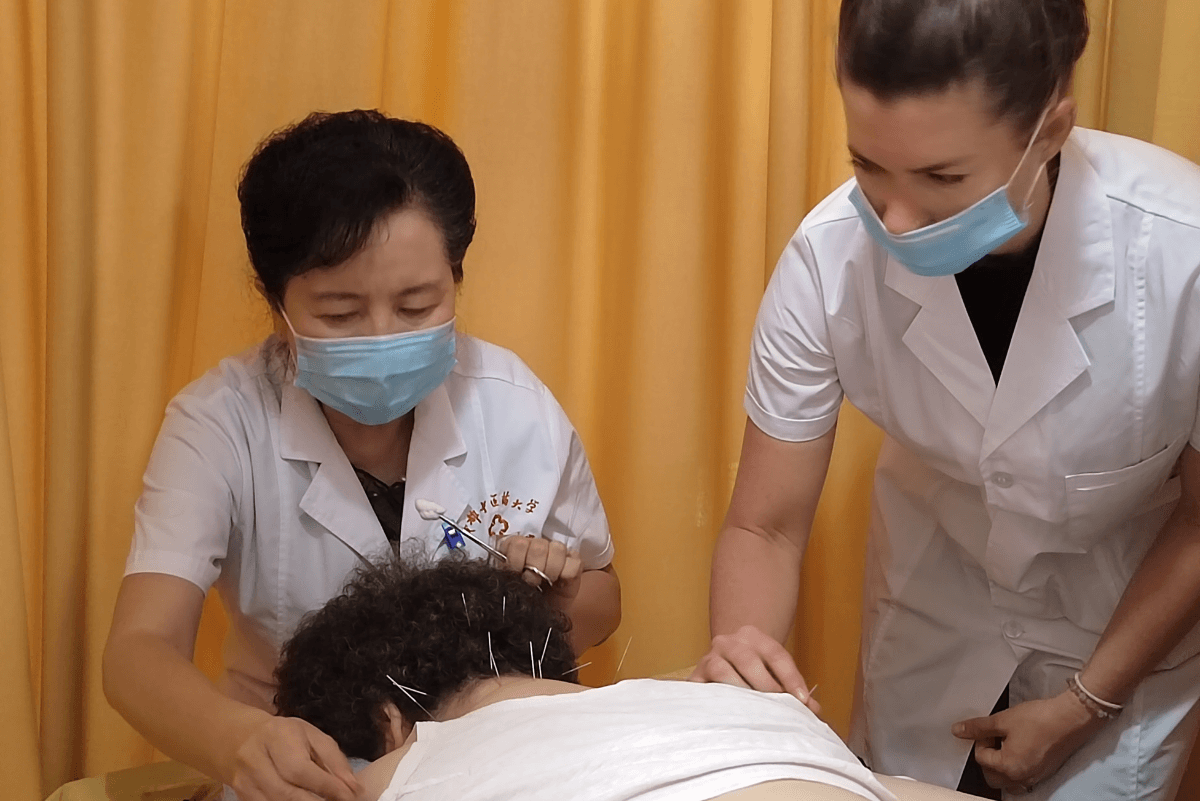
At CITCM’s Student Clinic in Calgary, treatments are provided by acupuncture students as part of their hands-on clinical training. Each student works under the close supervision of experienced, licensed faculty practitioners who review your case, guide the treatment plan, and are present in the clinic to ensure safe, high-quality care. This supervision means you get the benefit of a thoughtful, unhurried appointment at a more accessible price point than a typical private clinic, while still being in the hands of highly capable practitioners.
A first visit begins with a conversation about what brought you in, your general health, and your day-to-day life, followed by a gentle acupuncture treatment tailored to the concerns you’ve described. During treatment, you may feel a brief pinch as the needle is inserted, followed by a dull, heavy, warm, or tingling sensation that usually fades into deep relaxation. Many people notice their breathing slows, muscles soften, and mental chatter softens. Some even fall asleep. Many patients describe feeling calmer or lighter afterward.
In the context of acupuncture and mental health, your practitioner may:
- Choose points that both calm the Shen and regulate the gut/HPA axis, reflecting the gut-brain-Shen connection.
- Pay close attention to digestion, sleep, and stress patterns, since those often move together as the Microbiota-Gut-Brain Axis (MGBA) shifts.
- Offer simple lifestyle and dietary suggestions aligned with gut-brain health, such as regular meal timing, fibre-rich foods, sleep hygiene, and stress-reduction practices.
If you’d like a broader overview of how acupuncture works and the range of conditions we treat at the CITCM Student Clinic, you can read our complete guide here.
I had my initial acupuncture treatment today, and I was very impressed! Kat, Maya, Tara and Dr. Henry were all so thorough, knowledgeable, as well as personable and caring. The intake questions were extremely detailed so the treatment plan could be highly specific to my own needs. I would highly recommend CITCM, and I look forward to future visits! — Nancy B.
Frequently Asked Questions: Acupuncture for Mental Health
Is acupuncture safe if I have a medical condition or take medication for anxiety or depression?
For most people, yes – acupuncture is considered safe when performed by trained practitioners using sterile, single-use needles. This includes people with common medical conditions such as high blood pressure, thyroid issues, and IBS and those taking medications for anxiety, depression, or sleep.
How many sessions will I need before I notice a difference in stress, anxiety, or sleep?
There’s no single answer, but research and clinical practice benefits tend to build over a short series of visits. In studies looking at depression, stress, and sleep outcomes, protocols often involve 2–3 sessions per week for 4–8 weeks.
What does acupuncture feel like? Does it hurt?
Acupuncture needles are very fine (much thinner than injection needles). Most people feel only a brief pinch or a dull, spreading, or heavy sensation that fades quickly. During treatment, many people feel deeply relaxed; some even fall asleep. It’s common to notice slower breathing, a sense of warmth, or a “quieting” of mental chatter. To learn more, visit our article: Things You Should Know Before Your First Acupuncture Appointment.
Are there any reasons someone should not try acupuncture for mental health?
Acupuncture is suitable for many people, but there are situations where extra caution or a different approach may be recommended:
- Acute psychiatric crisis such as active suicidal thoughts, severe mania, or psychosis. Acupuncture is not appropriate as a standalone or first-line response. In these cases, medical and psychiatric care should come first.
- Unstable medical conditions like uncontrolled seizures or severe bleeding disorders. Your practitioner may modify treatment or coordinate closely with your medical team.
- Pregnancy. Acupuncture can be used safely in pregnancy, but certain points and techniques are avoided. Always let your practitioner know if you are or might be pregnant.
- Severe needle phobia that doesn’t improve with gradual exposure. Other mind–body approaches such as breathwork, acupressure, massage, or TCM herbs may be prioritized.
If you’re unsure whether acupuncture is right for you, we encourage you to call us to discuss your history and goals.
Is Acupuncture Right For You?
If you’re managing anxiety, depression, or other mental health concerns with a doctor, therapist, or counsellor, acupuncture can be a helpful addition to that care.
For many people, acupuncture is a gentle, low-pressure way to support day-to-day stress, occasional anxiety, and sleep troubles in an environment that treats the whole person. It’s not a replacement for emergency or crisis care, but it can be a valuable part of a broader plan that may also include therapy, medication, movement, and nutrition.
If that sounds like something you’d like to try, we welcome you to book an appointment at the CITCM Student Clinic today.
*If you’re in crisis or experiencing a mental health emergency, please reach out to a doctor, a crisis line, or emergency services directly.
**This article is for educational purposes only. Please see your healthcare provider for advice that is best for you.