If you’re considering a career in massage therapy, one of the first questions on your mind is probably, “What do you learn in massage therapy school?” It’s a fair question, and the answer might surprise you.
Massage therapy education goes far beyond learning how to give a relaxing massage. A quality program prepares you to assess and treat clients, understand human anatomy at a clinical level, apply both Western therapeutic techniques and Eastern healing modalities, and build a career with real longevity.
At the Canadian Institute of Traditional Chinese Medicine (CITCM) in Calgary, this preparation takes the form of the WE Integrated Orthopedic Massage Program—a 2200-hour massage program that blends the best of Western medicine with Eastern healing wisdom.
Here’s a look at what you can expect to learn.
The Foundation: Human Anatomy and Health Sciences
Before any hands-on work begins, massage therapy students develop a strong understanding of how the body works.
At CITCM, this includes courses in anatomy and physiology, surface anatomy, arthrology and myology (the study of joints and muscles), medical terminology, neurology, and biomedicine.
This science foundation is what separates an expertly trained massage therapist from someone with basic massage skills.
Understanding how muscles, nerves, and joints interact allows you to identify dysfunction, adapt your approach to each client, and avoid causing harm.
It also gives you the language to communicate professionally with other healthcare providers, an important skill if you plan to work in a multidisciplinary clinic setting.
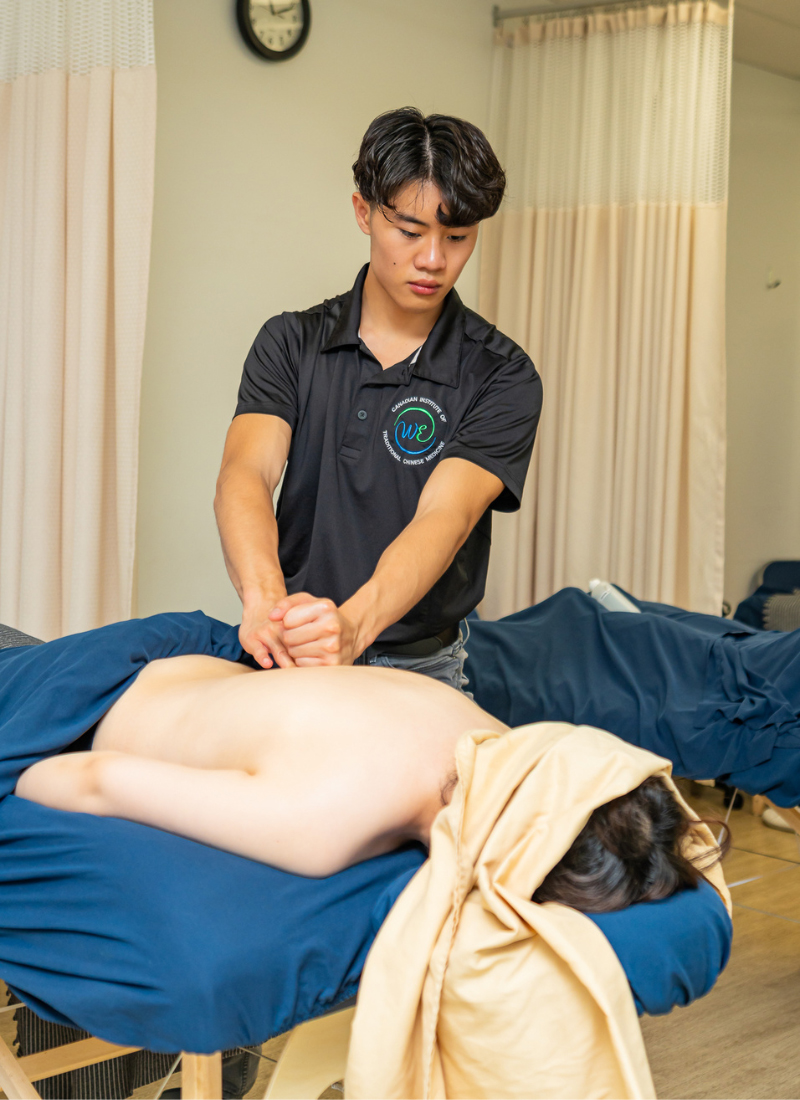
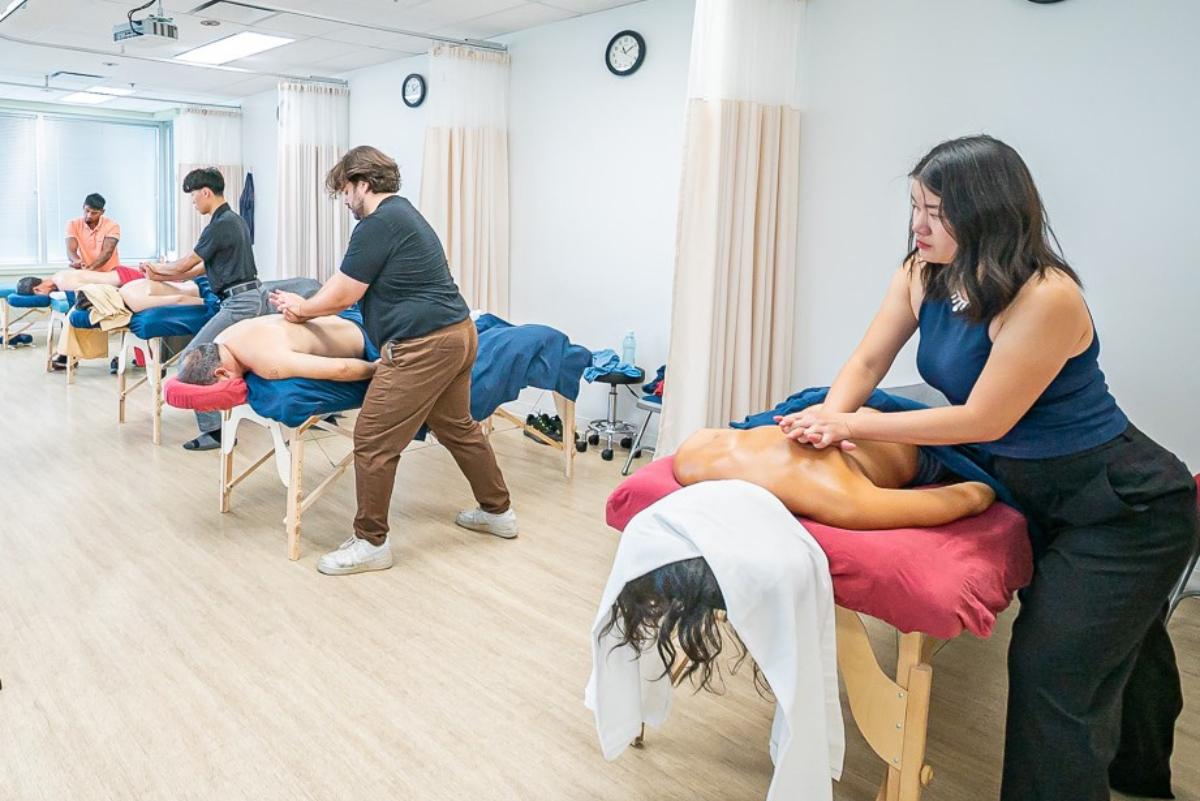
A CITCM student applies massage techniques during supervised clinical practice
Western Massage Techniques
Western massage forms a significant part of the curriculum. Students at CITCM study Western massage with a particular emphasis on orthopedic and therapeutic applications.
You’ll learn Swedish massage, therapeutic massage techniques, deep tissue massage for rejuvenation, and the principles of orthopedic sports medicine. A key component that distinguishes CITCM’s program is its focus on orthopedic assessment—teaching students how to identify musculoskeletal dysfunction and accurately monitor a client’s progress throughout treatment. This assessment-first approach is what makes the program particularly well-suited for graduates who want to work in clinical or rehabilitative settings.
Applied kinesiology is also part of the Western curriculum, giving students the tools to understand how movement and body mechanics influence a client’s overall health.
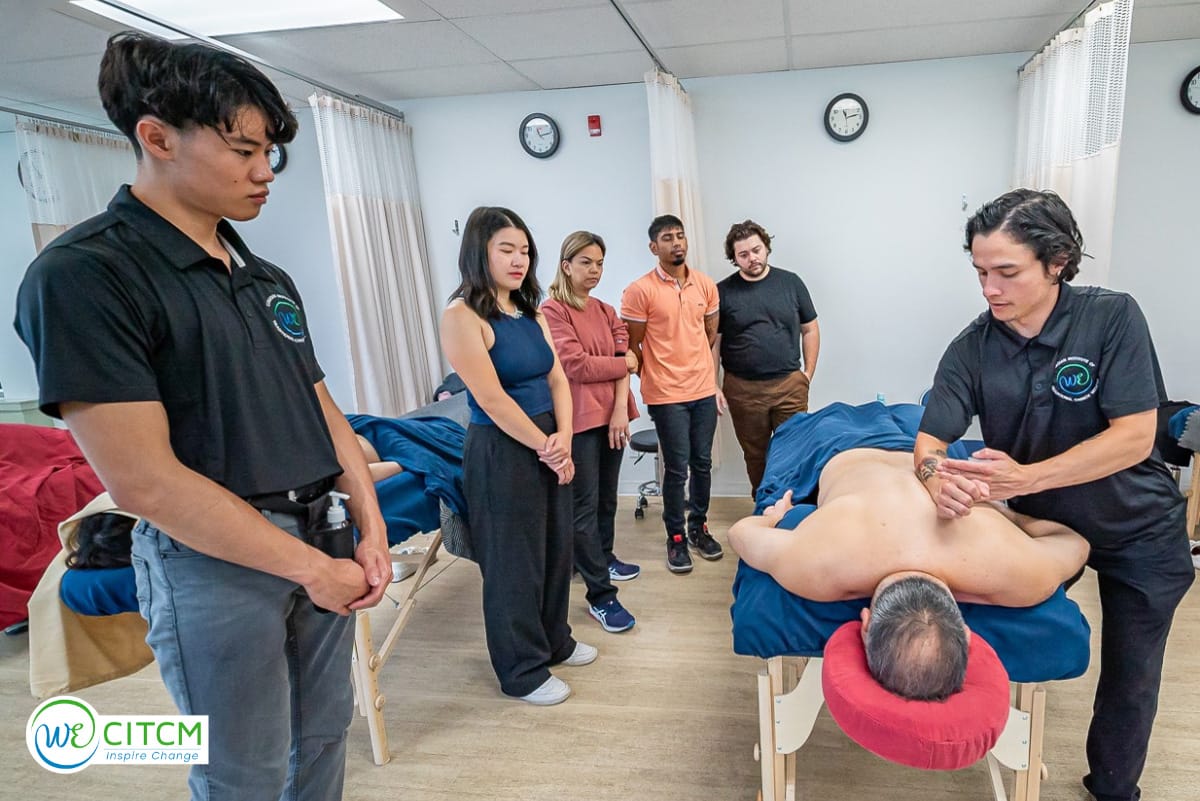
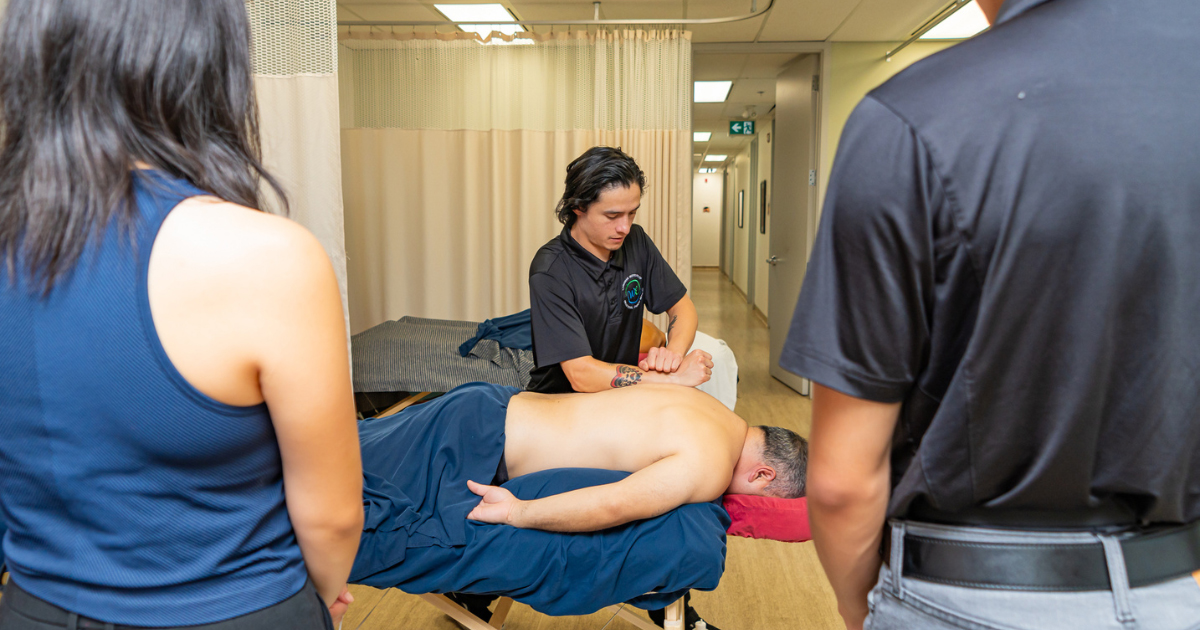 Students observe an instructor demonstration during practical training at CITCM
Eastern Healing Modalities
What sets CITCM’s program apart from many other massage schools is the integration of Eastern healing practices alongside Western techniques. Under the WE (Western and Eastern) Integrated Philosophy, students learn a range of Eastern modalities that expand their therapeutic toolkit significantly.
The Eastern curriculum includes Traditional Chinese Medicine (TCM) Foundations, Tui Na Techniques, Acupressure, and Eastern massage techniques, which cover Thai massage, scalp massage, and reflexology.
Students also learn Gua Sha and cupping—treatments that clients increasingly seek out for holistic approaches to pain relief and wellness. Learning these modalities as part of an accredited diploma program means graduates can confidently offer them in practice.
Wondering What You Learn in Massage Therapy School?
CITCM’s WE Integrated Orthopedic Massage Program covers everything from anatomy and clinical assessment to Eastern modalities and business management, all in a flexible, blended learning format designed to fit your life.
Access our Massage Program Guide
Nutrition and Preventative Health
Massage therapy school at CITCM also includes courses that address the body from a whole-health perspective. Students learn Western nutrition as well as TCM preventative medicine and diet therapy, giving them a foundation to educate clients on how lifestyle factors such as diet can support recovery and long-term well-being.
Hydrotherapy is another component of the curriculum, teaching students how water-based treatments can be incorporated into therapeutic practice.
Clinical Practicum: Real-World Practice
Hands-on clinical experience is one of the most valuable parts of what you learn in massage therapy school. CITCM students begin their clinical practicum starting in the second semester and continue practicing until graduation. Our program includes on-site and off-site clinical practicum hours.
The onsite CITCM Student Clinic allows students to practice under the supervision of experienced Registered Massage Therapists, working with real clients with various health conditions. Offsite placements extend this experience further, with students participating in community clinics serving organizations such as The Mustard Seed and The Alex Community Centre, as well as community events like the Kidney March and Women’s Run.
This real-world exposure builds the confidence to assess and treat clients independently, a quality that employers consistently look for in new graduates.
Professional and Business Skills
Graduating as a skilled massage therapist is one thing; building a sustainable career is another. CITCM’s program recognizes this by including business management, ethics, and communications as part of the program curriculum.
Students learn how to manage a practice, communicate professionally with clients and healthcare colleagues, and navigate the ethical responsibilities that come with working in a healthcare setting. For students who plan to open their own practice after graduation (which is a common path for RMTs), this training is invaluable.
How the Program Is Delivered
The massage therapy curriculum at CITCM is delivered over two years through a blended learning model.
Theory courses are primarily offered online, allowing students to study at their own pace. Learn more about how online learning works in CITCM’s massage program.
Practical and hands-on classes are held onsite, typically two days per week. Clinical practicum sessions are scheduled separately on Mondays, Tuesdays, and Fridays.
This schedule is designed to make the program accessible for students who are balancing work, family, and other commitments—a common reality for adults pursuing a career change.
CITCM accepts new students twice per year, with intakes in April (Spring) and September (Fall).
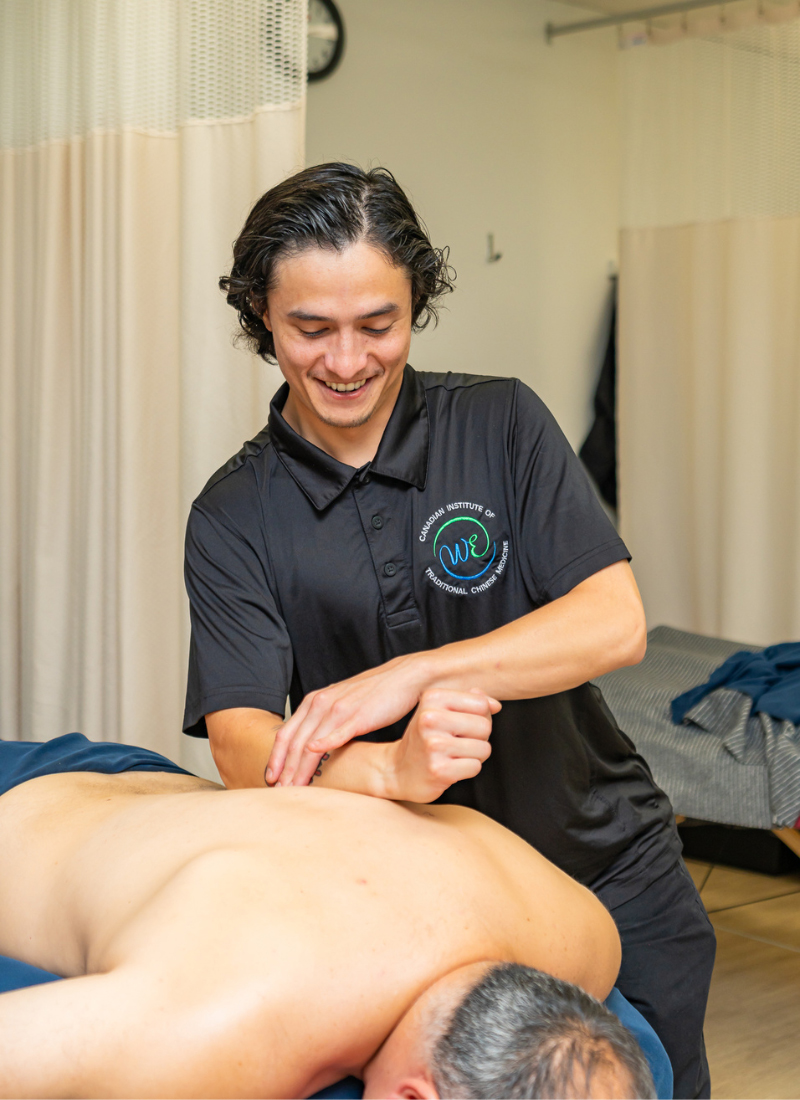
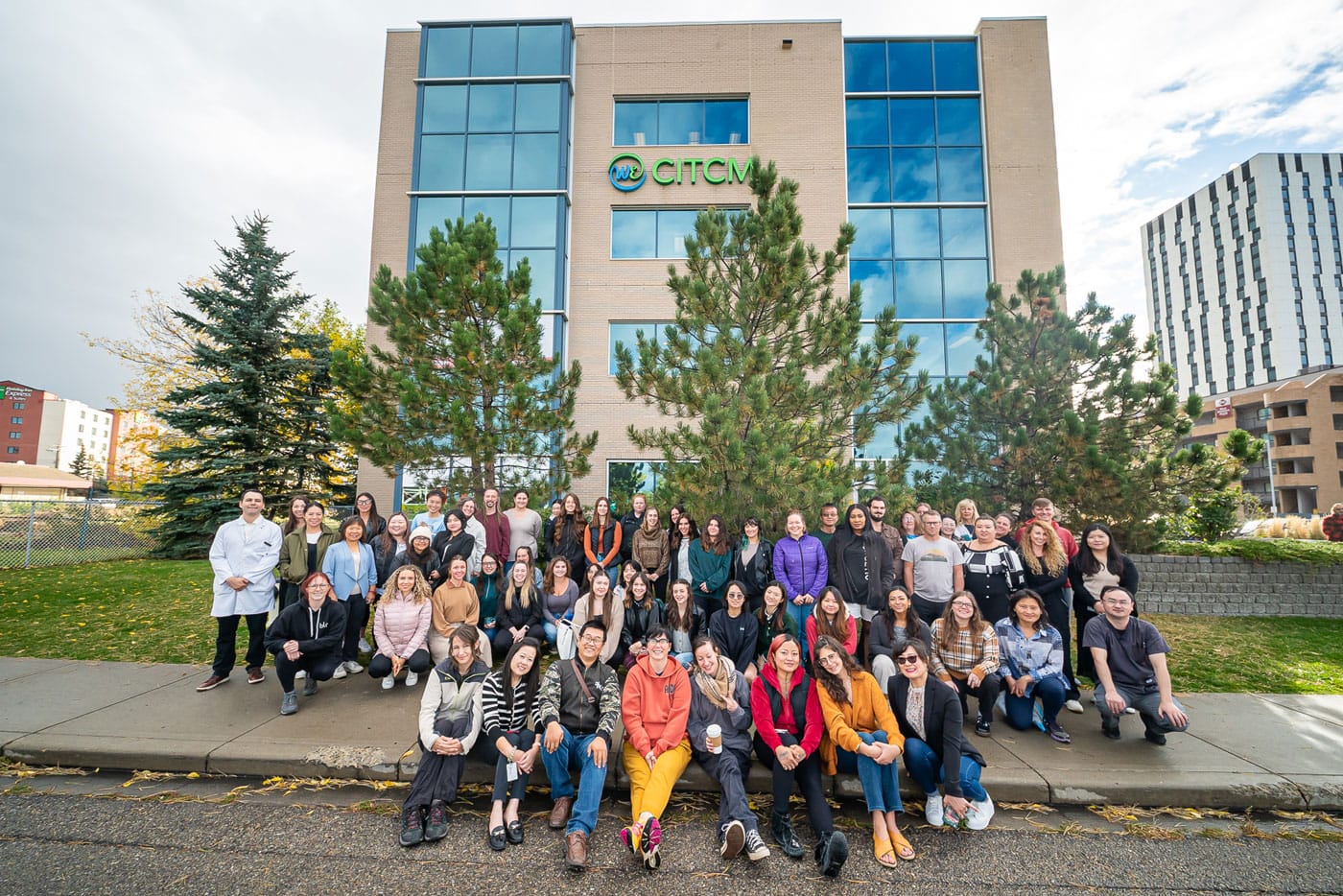
CITCM students learn from experienced practitioners who bring clinical expertise to every class
What You Graduate With
Graduates of CITCM’s 2200-hour WE Integrated Orthopedic Massage Program receive a diploma accredited by the National Health Practitioners of Canada (NHPC) and the Canadian Massage and Manual Osteopathic Therapists Association (CMMOTA). This allows graduates to register as massage therapists under these associations.
The program also qualifies graduates for student loans and grants through Alberta Advanced Education and is licensed by the province.
For students interested in expanding even further, CITCM also offers the Double Major Plus Program, which combines the WE Integrated Orthopedic Massage diploma with the Doctor of Acupuncture and Doctor of TCM programs—allowing graduates to earn three diplomas and practice across multiple complementary healthcare disciplines.
Is Massage Therapy School Right for You?
If you’ve been wondering what you learn in massage therapy school, the answer is clear: far more than most people expect. Massage therapy school is an academic and clinical commitment, but it prepares graduates for a career that is both personally meaningful and professionally flexible. Skilled massage therapists work in a variety of settings, from multidisciplinary health clinics to sports therapy centres, wellness spas, and independent practice.
The curriculum at CITCM reflects the full scope of what a modern massage therapist needs to know: from anatomy and clinical assessment to Eastern modalities and business management. It’s an education designed not just to teach technique but to build practitioners who are confident, knowledgeable, and ready to make a real difference in their clients’ lives.
Interested in learning more? Explore CITCM’s WE Integrated Orthopedic Massage Program or contact the admissions team to book an information session and campus tour.
CITCM is located in Calgary, Alberta, at Two Executive Place, 300-1824 Crowchild Trail NW. New student intakes are offered every April and September. Call us today at 825-305-3151 to talk about your future career in healthcare!
Related Articles
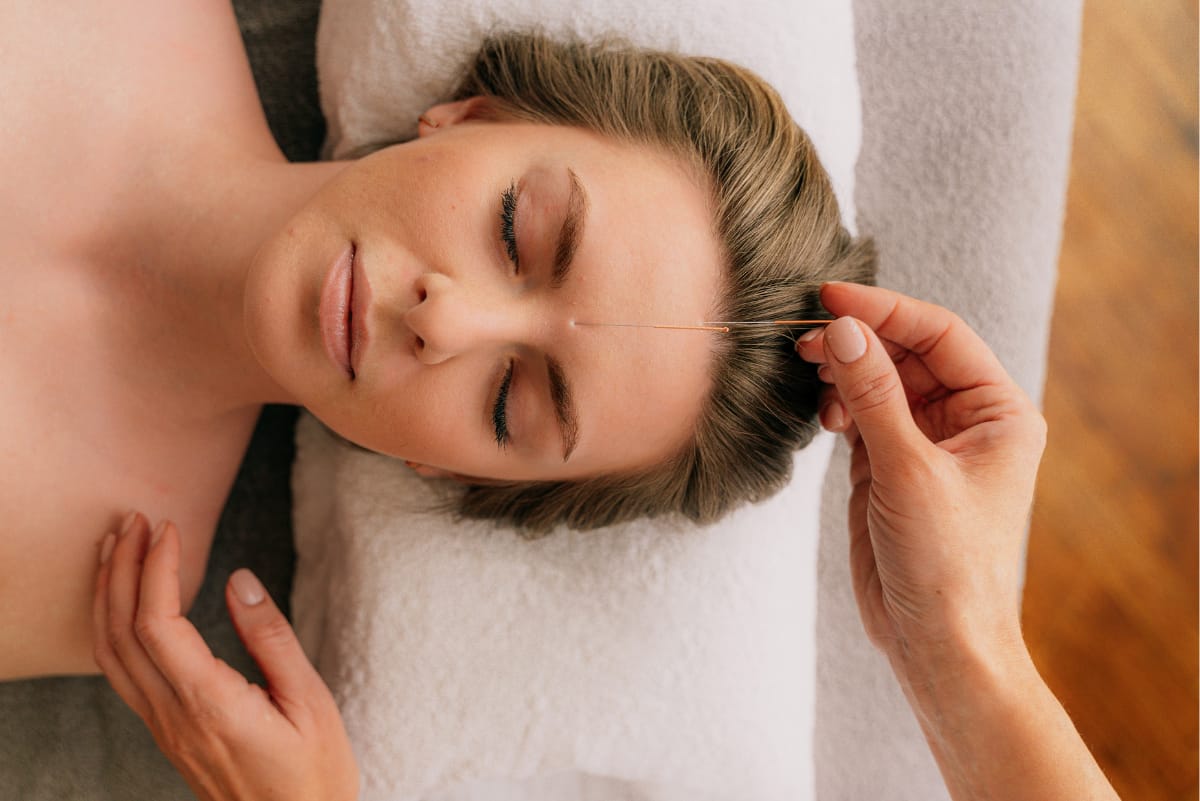
CITCM Massage Therapy Training