Where do massage therapists work? If you picture a spa with soft lighting and ambient music, you’re thinking of one great option, but massage therapists build careers across a surprisingly wide range of settings.
Your career path depends entirely on your interests. You can choose a fast-paced clinical setting, travel with professional sports teams, or build a home-based practice on your own terms. Different environments demand different skills, and your foundational training shapes which doors open after graduation.
Here are seven distinct career settings where massage therapists apply their skills every day:
1. Multidisciplinary Health Clinics
Healthcare is highly collaborative, and massage therapists frequently work alongside chiropractors, physiotherapists, and acupuncturists in busy health clinics. These professionals might share patients, refer cases to one another, and collaborate on comprehensive treatment plans.
If you choose to work in a clinical setting, you’ll need strong communication skills and a deep understanding of human anatomy. You’ll need to communicate clearly with other medical professionals and be able to take on administrative responsibilities like insurance billing and charting patient progress.
Graduates of CITCM’s WE Integrated Orthopedic Massage Program tend to excel in these environments. The curriculum emphasizes orthopedic assessment and teaches students to accurately identify musculoskeletal dysfunction, an assessment-first approach that builds the clinical competence needed to contribute meaningfully to multidisciplinary teams.
2. Sports Medicine & Athletic Facilities
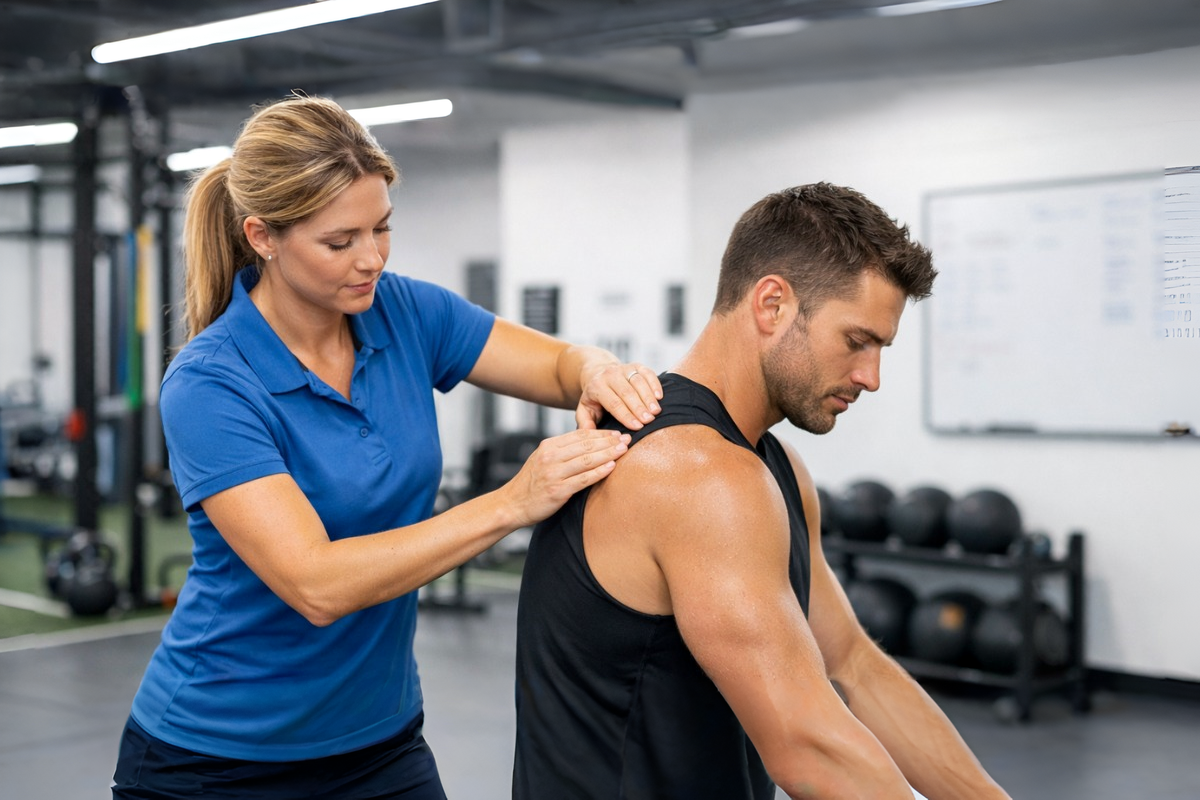
Athletes push their bodies to the limit, relying on massage therapists to prevent injuries, speed up recovery, and improve performance. You’ll find massage therapists working in specialized sports medicine clinics, training facilities, gym or workout facilities, and directly with professional sports teams, from those competing at a national level like the Calgary Flames or Stampeders, to the collegiate.
This environment requires a proactive, results-oriented approach to treatment. You’ll treat acute injuries, address repetitive strain issues, and help athletes maintain peak physical condition throughout their competitive seasons.
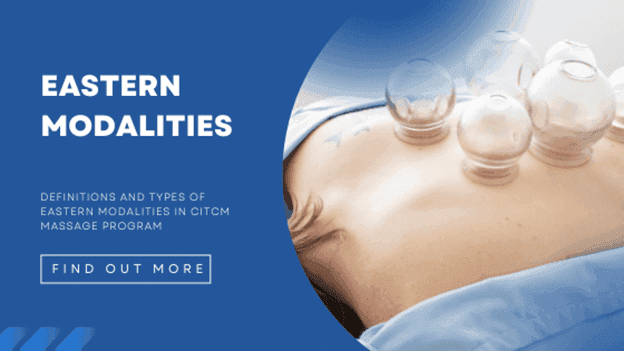
CITCM’s integration of Eastern healing modalities provides a distinct advantage in sports medicine. Techniques like cupping and gua sha are highly sought after by athletes for muscle recovery, and combined with advanced orthopedic sports massage, they give graduates a skill set that stands out in any athletic organization.
3. Hospitals & Rehabilitation Centres
Massage therapists work in hospitals, long-term care facilities, and even specialized rehabilitation centres, where they treat patients recovering from major surgeries, managing chronic pain conditions, or receiving palliative care.
The focus here shifts heavily toward medical rehabilitation and compassionate support, as you’ll be working with complex health conditions that require strict adherence to safety protocols and contraindications.
You’ll need a thorough understanding of medical terminology and biomedicine, which CITCM builds directly into the foundation of its massage therapy curriculum. You’ll learn the Western medicine principles necessary to safely treat medically complex patients and to collaborate effectively with doctors and nurses.
4. Corporate Wellness Programs
Companies are increasingly recognizing the value of keeping their employees healthy and productive. Research consistently shows that strong wellness programs lead to a meaningful reduction of absenteeism and workers’ compensation costs. Massage therapists visit corporate offices to provide on-site chair massages, ergonomic consultations, and stress-management workshops.
Corporate wellness offers a highly flexible schedule. You can build a roster of regular corporate clients, visiting different offices throughout the week. You’ll enjoy a professional, energetic environment and steady daytime hours.
That said, developing a corporate clientele takes confidence and practice treating clients with varied needs and conditions. CITCM students gain this experience early on through the program’s clinical practicum, which includes community outreach for hands-on treatment across different populations.
5. Spas & Resorts
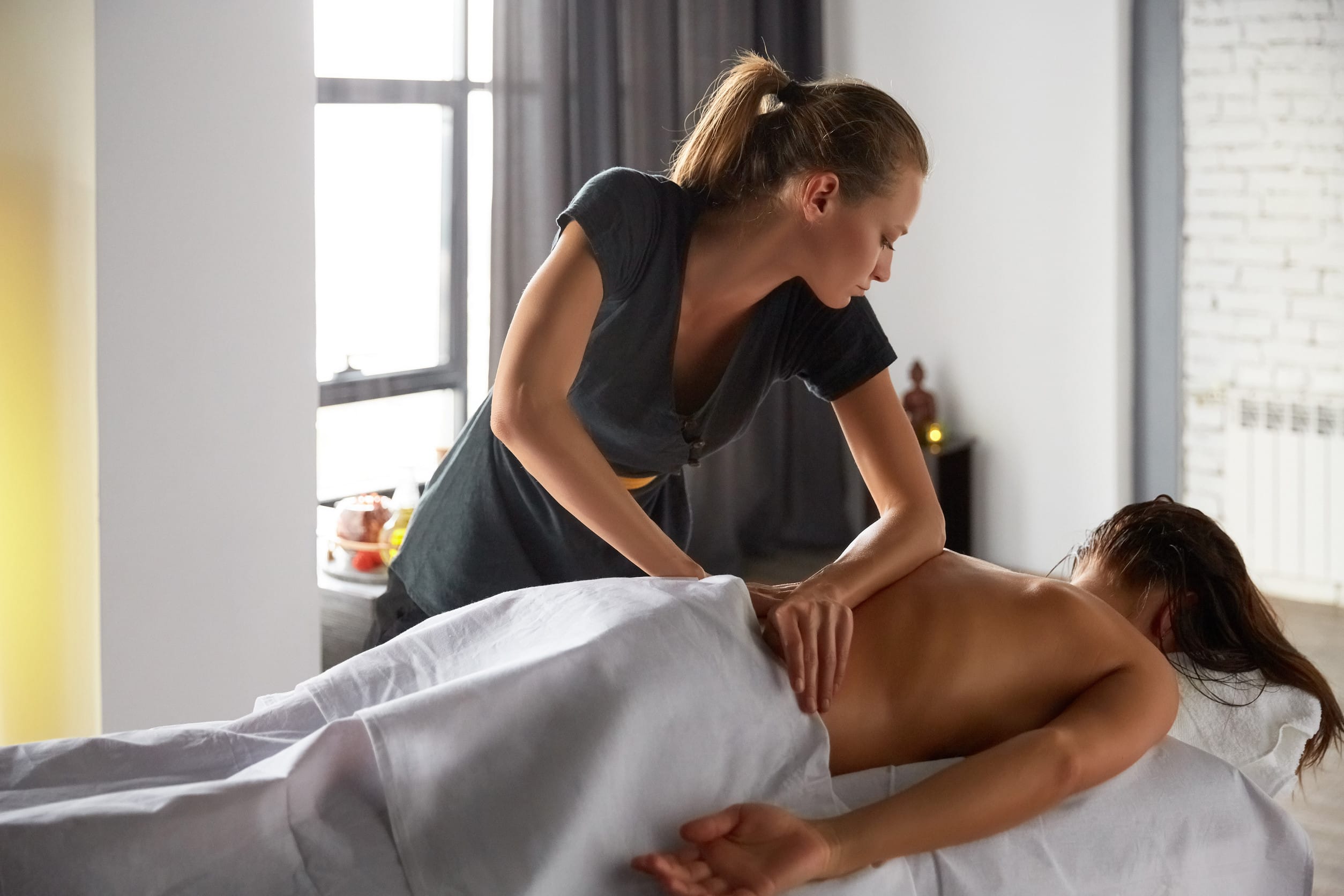
Perhaps the most recognized career path for massage therapists, it’s a popular choice for good reason. Spas and luxury resorts focus on relaxation, stress relief, and overall wellness, and you’ll be tasked with providing a sanctuary for clients looking to escape their daily pressures.
Working in a spa requires mastery of techniques like Swedish massage, face and scalp massage, reflexology, hot stone therapy, and aromatherapy, as the environment is deliberately designed to be calm and restorative.
CITCM’s program trains you in the full spectrum of massage modalities. While our curriculum emphasizes orthopedic and therapeutic applications, you’ll also master the relaxation techniques that are fundamental to high-end spa services, allowing you to move confidently between deep therapeutic work and soothing relaxation treatments.
6. Private Practice/Home-Based
Many massage therapists prefer to be their own boss. In Alberta, about 77% of massage therapists are self-employed. Running a private practice or a home-based clinic offers unmatched career flexibility. You can set your own hours, define your target clientele, and design your ideal treatment space.
However, owning a practice requires more than excellent massage skills. You’ll need to handle your own marketing, bookkeeping, client scheduling, and supply management.
Because of this, CITCM incorporates business management directly into its massage therapy curriculum. Our business courses are offered in three levels, which include marketing and business development. In the third level, you’ll be guided into making a business plan as well.
7. Community Health & Outreach
Massage therapy makes a difference in underserved communities, with therapists frequently working at community health organizations, drop-in centers, and seniors’ facilities. You bring compassionate care and physical relief to populations who might not otherwise have access to complementary health care.
This work requires empathy, adaptability, and cultural awareness, as you’ll be treating individuals facing complex socioeconomic and health challenges.
CITCM actively encourages a community-minded approach. Through clinic partnerships, you’ll gain practical experience working with organizations like Mustard Seed, Shalem Senior Housing, and Unison at Kerby Centre, which will help you understand the broader impact of your work before you graduate.
Your Training Determines Your Options
A career in massage therapy offers flexibility that’s seldom found in the healthcare sector. Anyone wondering where massage therapists work will find plenty of options across athletics, corporate offices, hospitals, luxury resorts, and more.
The key to staying open to all of these opportunities is developing a diverse skill set. When you understand both Western clinical assessments and Eastern healing modalities, you can adapt to any professional environment.
The quality of your education will define the trajectory of your career. CITCM’s WE Integrated Orthopedic Massage Program provides the comprehensive academic and hands-on training you need to succeed in any of these seven settings and beyond.
Interested in learning more? Contact the CITCM admissions team to discuss the program curriculum or schedule a campus tour. The right training opens the door to a flexible, sustainable career in massage therapy. We’re here to get you started.
Related Articles
CITCM Massage Therapy Training, Massage Therapy
CITCM Massage Therapy Training, Massage Therapy