If you’re drawn to working with athletes, active individuals, or anyone pushing their body to perform, a career as a sports massage therapist might be exactly what you’re looking for. It’s a demanding and rewarding specialty that puts your assessment skills, clinical knowledge, and hands-on technique to work every session.
This post walks you through what sports massage therapists do, where they work, what training is involved, and how to get started in Alberta.
What Does a Sports Massage Therapist Do?
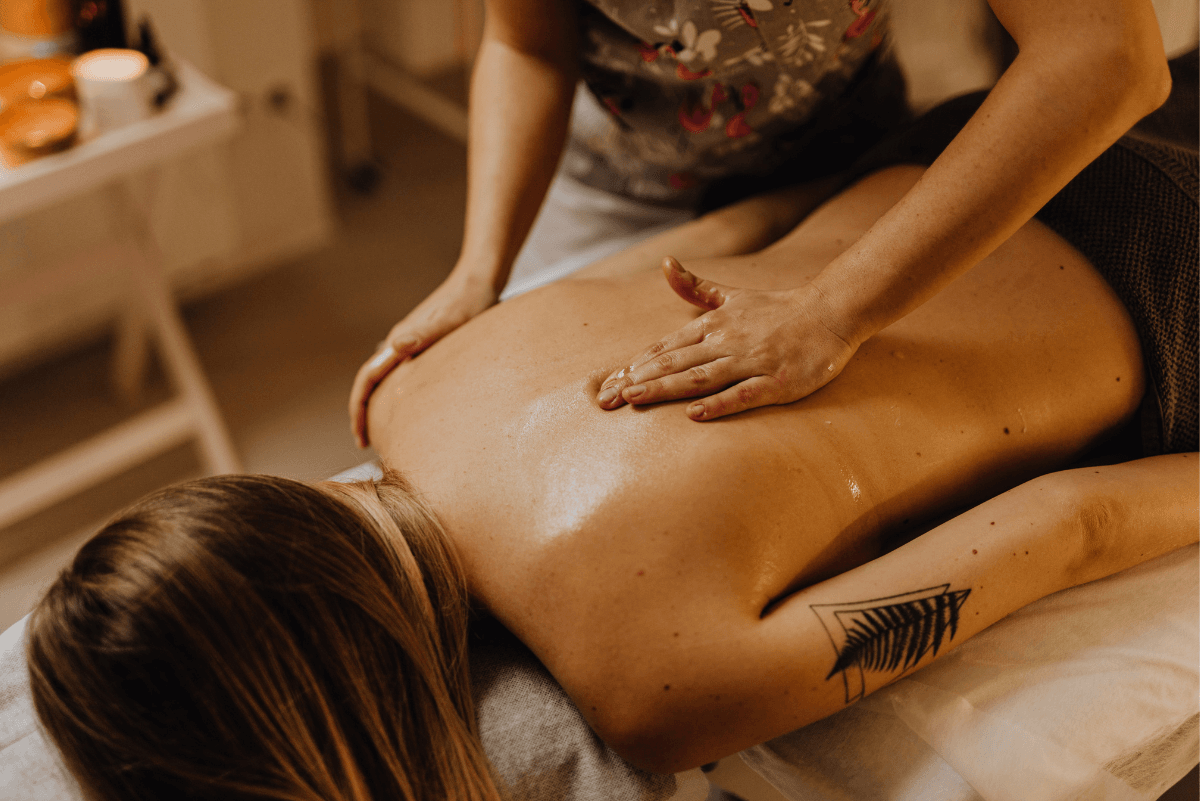
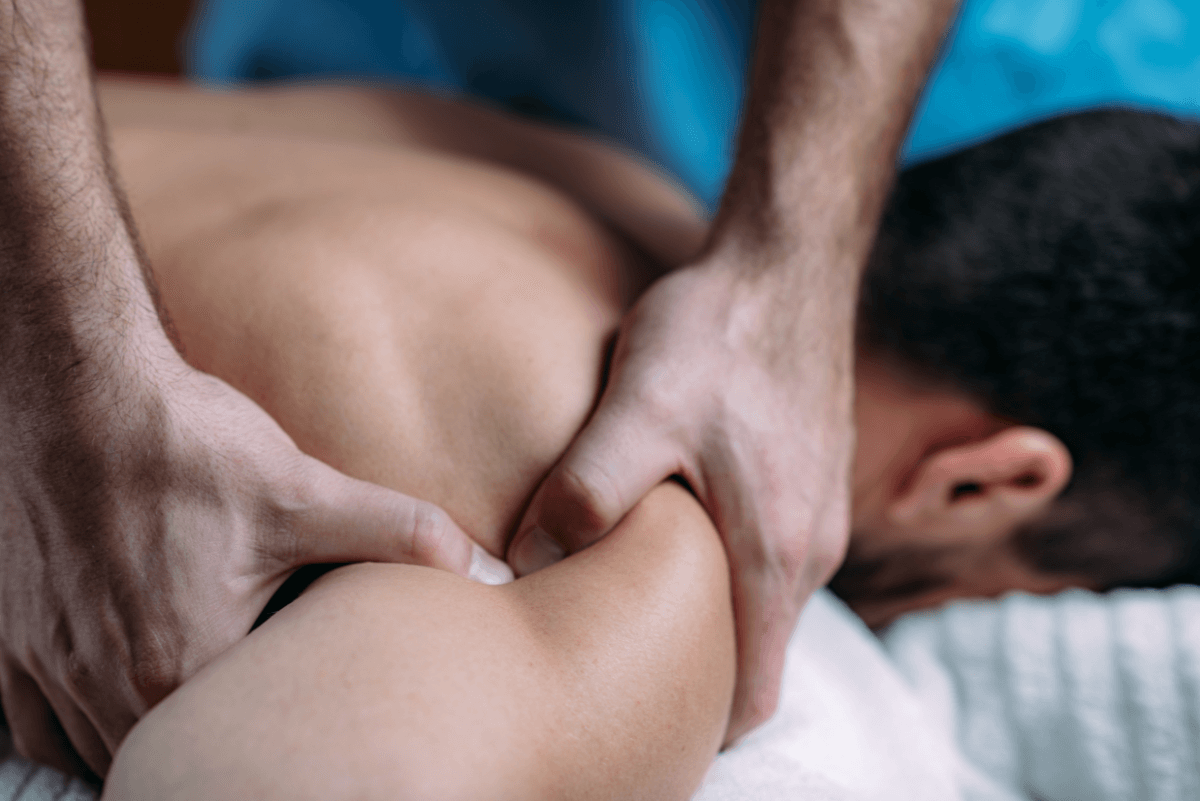
A sports massage therapist works with people before, during, and after physical activity to help manage injury, reduce recovery time, maintain performance, and prevent future problems. The work is clinical and assessment-driven. It’s less about relaxation and more about understanding how the body moves, where it’s under stress, and how to address that through targeted treatment.
Day-to-day, you might be:
- Treating a runner dealing with chronic IT band tightness
- Working with a weekend hockey player recovering from a shoulder strain
- Supporting an athlete between events at a competition
- Collaborating with physiotherapists or chiropractors in a multidisciplinary clinic
- Designing maintenance protocols for clients with physically demanding jobs
The populations you work with are wide-ranging. Sports massage is relevant anywhere physical performance and recovery matter.
Where Do Sports Massage Therapists Work in Alberta?
One of the appealing things about specializing in sports massage is the variety of settings you can work in. In Alberta, that includes:
Sports medicine and rehabilitation clinics
These are often multidisciplinary environments where massage therapists work alongside physiotherapists, athletic therapists, and chiropractors. You’ll handle complex cases, contribute to treatment plans, and need strong assessment and documentation skills.
Athletic facilities and sports organizations
From university sports programs to professional teams to community recreational facilities, trained sports massage therapists are in demand wherever athletes train and compete. Some positions involve working events or tournaments on-site.
Private practice
Many sports massage therapists build their own client base, often specializing in a particular sport or population. This route offers flexibility and autonomy, though it also requires business management and client development skills.
Fitness centres and wellness clinics
Gyms, yoga studios, and integrative wellness centres increasingly offer massage therapy as part of their services, with sports-focused practitioners in high demand.
Occupational health and corporate wellness
Physically demanding industries like construction and oil and gas have a real need for therapists who understand musculoskeletal injury and prevention. Corporate wellness programs are a growing area for massage therapists with clinical depth.
What Training Do You Need?
In Alberta, completing a recognized massage therapy program and registering with a professional association is the standard path to practice. Most massage therapists join the Natural Health Practitioners of Canada (NHPC) or the Canadian Massage and Manual Osteopathic Therapists Association (CMMOTA), which are the primary associations for insurance billing eligibility and professional recognition. CITCM’s program is pre-approved by both, meaning graduates can register directly upon completion—no extra certificates required after graduation.
For sports massage specifically, the foundation is a strong general massage therapy education. Look for a program that gives you solid orthopedic assessment skills, anatomy and biomechanics training, and clinical hours treating real patients. From there, you build sports-specific depth through your program curriculum and continuing education.
What to look for in a program if sports massage is your goal:
- Strong orthopedic assessment component. You need to be able to identify what’s happening structurally and functionally, not just treat symptoms
- Adequate clinical hours with a variety of patient presentations
- Biomedicine foundations like anatomy, physiology, and pathology so you can work confidently in clinical and multidisciplinary environments
- Exposure to a range of treatment techniques beyond relaxation massage, including deep tissue, hydrotherapy, and Eastern modalities that support recovery
How CITCM prepares you for a career in sports massage
CITCM’s WE Integrated Orthopedic Massage program is built around the intersection of Western clinical assessment and Eastern therapeutic modalities — a combination that maps directly onto what sports settings require.
The curriculum includes orthopedic sports medicine, kinesiology, biomedicine foundations, and hands-on clinical training, alongside Eastern approaches like cupping, Tui Na, acupressure, and Gua Sha that are increasingly used in sport recovery contexts.
Do You Need Additional Certifications to Be a Sports Massage Therapist?
A solid foundational program gets you registered and working. From there, many sports massage therapists pursue continuing education in areas like:
- Instrument-assisted soft tissue mobilization (IASTM)
- Kinesiology taping
- Myofascial release techniques
- Sport-specific training protocols
- Concussion management and return-to-play protocols
These are typically CEU (continuing education unit) courses you can take after registration. They let you deepen your expertise and serve specific athletic populations more effectively. The best programs give you a strong enough clinical base that you can layer these specializations on top, rather than scrambling to fill gaps in your foundational training.
Is Sports Massage Therapy the Right Path for You?
If you’re drawn to clinical, problem-solving work and want to understand why someone is in pain rather than just manage their comfort, sports massage is worth serious consideration. It’s a specialty that rewards curiosity, technical depth, and a genuine interest in how the body performs and recovers.
The path to get there starts with the right foundational training. If you want to learn more about what that looks like at CITCM, the WE Integrated Orthopedic Massage program is built around exactly the kind of clinical and hands-on preparation that sports settings demand.
Reach out to the admissions team at CITCM to learn more about the curriculum, upcoming intake dates, and campus life. Our team is happy to answer any questions you have.
Related Articles
CITCM Massage Therapy Training